Get Creative with Convoclip: Best Texting Story App Online
Convo teamApril 6, 20266 min read

Discover Convoclip — a flexible, feature-rich app for creating lifelike texting stories online, perfect for creators, educators, and marketers.
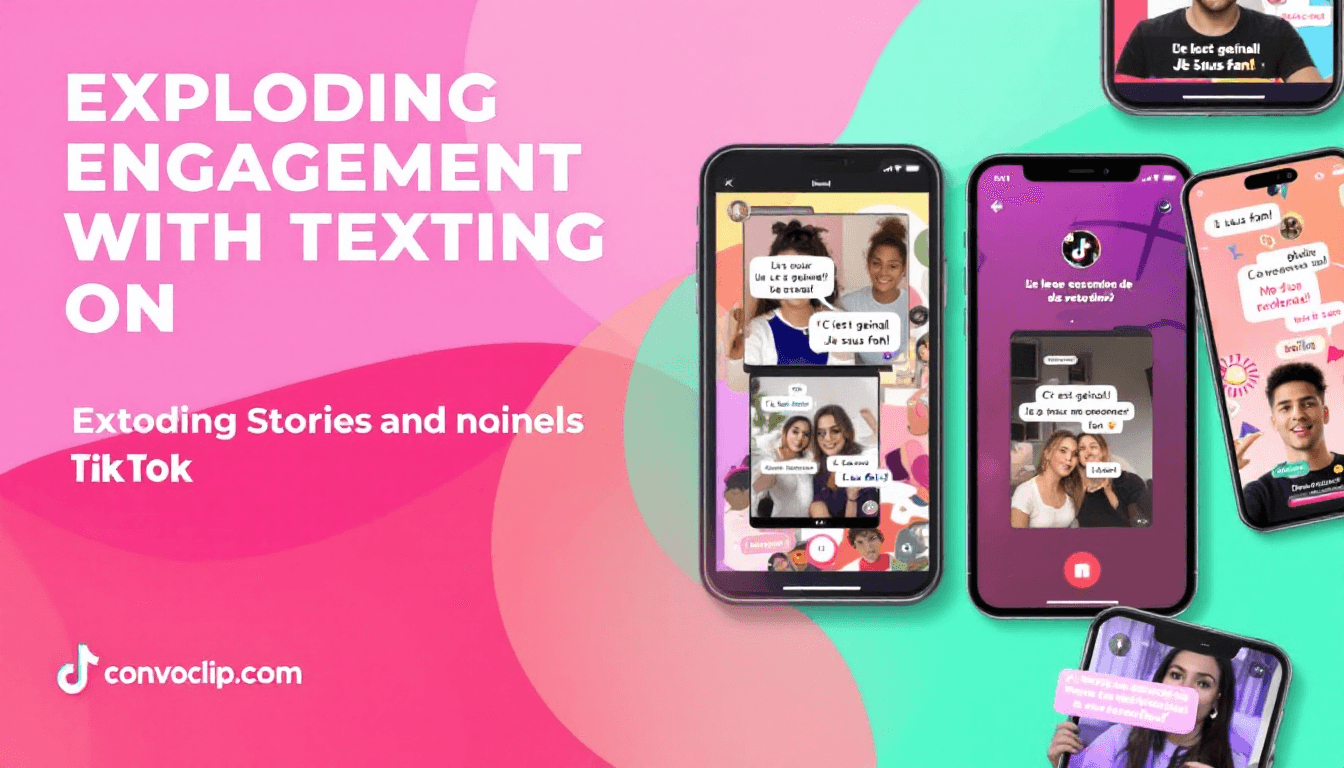
If you enjoy storytelling in short, visual bites, Convoclip is the kind of tool that makes good ideas look polished fast. It’s a texting story app that treats chat format as a deliberate storytelling device — not a gimmick. Whether you’re making a snappy social post, a teaching scenario, or a suspense short, Convoclip helps you build believable conversations with real emotional pacing.
Texting story online formats have exploded because they’re immediate and intimate. Convoclip leans into that intimacy while giving creators control: realistic timing, multimedia, and clean exports. Below I walk through the features that matter, how people actually use the app, and why it’s worth trying when you want to make a fake texting story feel authentic rather than cartoonish.
Convoclip is a mobile and web app for composing chat-based narratives. It’s built for:
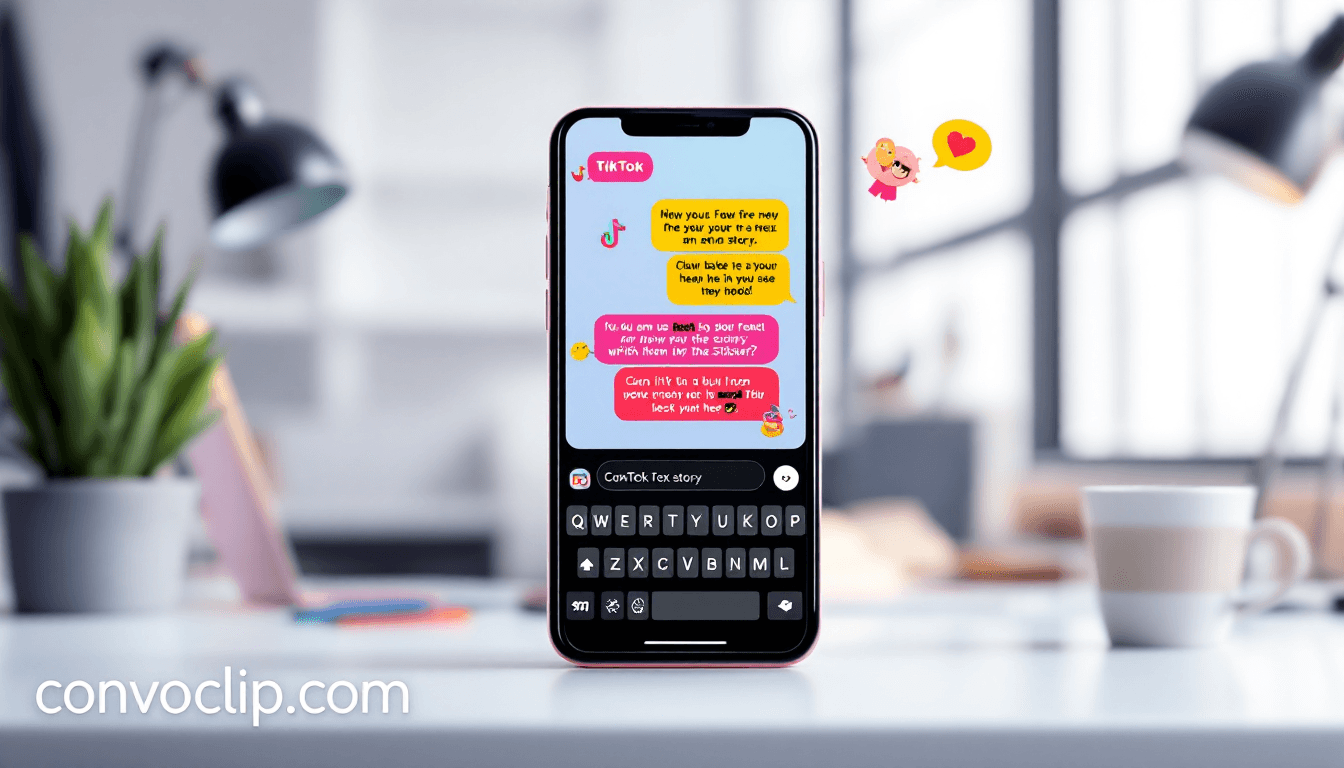
The app focuses on ease of use without sacrificing nuance. That means you can control message timing, typing indicators, read receipts, and attachments — all crucial for making a texting scene read like a real conversation.
All of these features add up to something rare: a tool that makes a fake texting story feel intentional, not slapdash.
These are not hypothetical. The chat format allows creators to show voice and timing in ways standard text posts can’t.
| Feature | Convoclip | Generic texting story apps | Simple fake texting generators | |---|---:|---:|---:| | Realistic timing & typing | Yes — fine-grained controls | Limited | Usually absent | | Rich media | Full support (video, audio, GIFs) | Image-only | Rarely supported | | Collaboration | Built-in sharing & editing | Basic export only | None | | Export options | MP4, PNG, PDF, share links | PNG / JPG | Screenshot-style exports | | Privacy controls | Project lock, password sharing | Minimal | None |
This table highlights where Convoclip moves beyond novelty and into a reliable creative tool.
A few practical habits that make chat-stories sing:
These are simple, but they’re the difference between a convincing scene and something that reads like a script dump.
Q: Is it legal to create a fake texting story that looks like a real conversation? A: Creating fictional conversations for entertainment is fine, but avoid impersonation or defamation. If you use a person’s likeness or real contact details, get permission. For public marketing, use clear fictional markers or disclaimers when necessary.
Q: Can I export animated chat videos for social platforms? A: Yes. Convoclip exports MP4s that simulate chat playback with typing and message timing — optimized for vertical and square aspect ratios used on most social platforms.
Q: How do I keep educational or sensitive content private? A: Use project-level locks and password-protected share links. Export options let you remove metadata and control who can view or download the file.
Q: Will a fake texting story look too obviously generated? A: Only if you rely on defaults. Small edits — custom timestamps, varied message length, occasional typos, and media — go a long way toward authenticity.
Q: What file formats are best for archiving projects? A: Export a PDF transcript for text searchability and an MP4 for the playable experience. Keep a project file if you plan future edits.
Convoclip treats the chat format as a real storytelling canvas. The app shines because it gives creators both subtle controls (timing, typing, read receipts) and practical outputs (MP4 playback, clean image exports). If your aim is to make a texting story online that feels lived-in rather than obviously fabricated, Convoclip is one of the cleaner, more thoughtful tools available.
It’s not just about faking a message — it’s about using the structure of text conversations to control pace, tone, and surprise. That’s where Convoclip moves from novelty to utility.
Conclusion: Convoclip is a flexible, polished choice for anyone who wants chat-format stories that read like real interactions — creators, educators, and brands who care about nuance and presentation.