AI Video Creation & Faceless Videos: 2026 Trends and Strategies
WK (WK) - WK","category":"Video Marketing"}June 8, 20266 min read

Quick answer
AI video creation is the set of tools and workflows that use machine learning to generate, edit, and assemble video content — and in 2026 those tools are what make scalable faceless videos practical, affordable, and performance-driven for creators and brands. This article explains the key trends shaping faceless video in 2026 and gives concrete, actionable strategies you can apply this quarter.
Introduction
The rise of faceless video is not only about privacy or persona — it is a production and distribution shift enabled by AI. From script-to-publish pipelines to synthetic voiceovers and text-to-video models, AI video creation reduces friction and lets creators focus on storytelling, formats, and distribution. This guide breaks down the trends, the tools, and the step-by-step strategies teams and solo creators can use to build high-performing faceless channels in 2026.
Faceless formats scale differently than on-camera creators. They enable faster iteration, easier localization, and a content cadence that algorithms reward. For brands and creators, the strategic benefits include lower per-video production cost, safer privacy compliance for talent-averse projects, and the ability to test more hooks in less time.
What is AI video creation? A clear definition
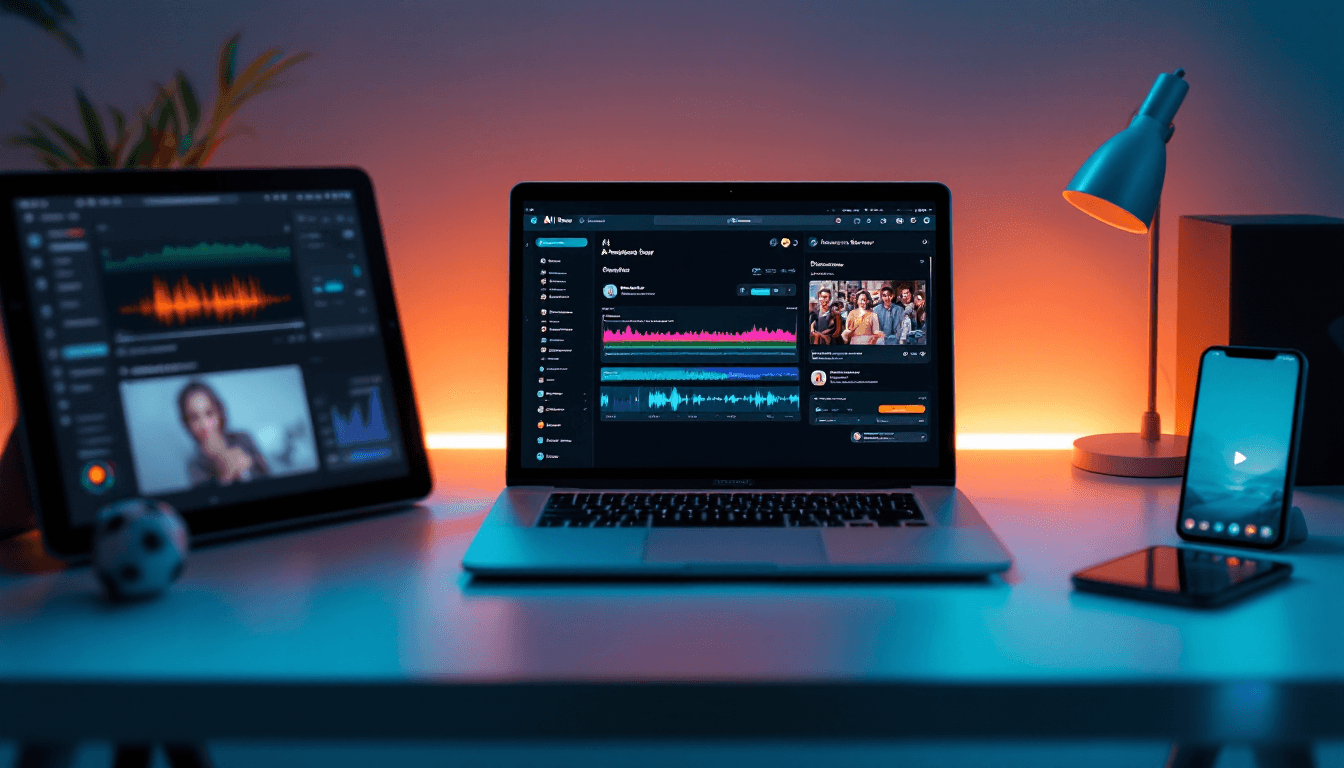
AI video creation is the process of using machine learning models and automation to handle elements of video production: scripting, voice synthesis, image/video generation, assembly, captioning, and optimization. In practice, that means a single operator can publish dozens of short-form videos weekly using a well-designed AI pipeline.
H2: 1. End-to-end script-to-video workflows are mainstream
AI toolchains now connect idea → script → voice → visuals → edit. That reduces human bottlenecks and shortens turnaround from days to minutes for many short formats. The implication: focus on concept and hooks rather than manual editing.
H2: 2. Synthetic voices and character-driven AI personas
High-quality synthetic voiceovers let creators adopt consistent avatars without appearing on camera. Pick a voice and brand persona, then reuse it across series to build recognition. Business implication: consistent auditory branding improves recall across platforms.
H2: 3. Format diversification: shorts + long-form repackaging
Creators use succinct shorts to test hooks, then repurpose best-performing hooks into long-form faceless videos (10–20 minutes) that command higher RPMs. The strategy to apply: test 10 hooks as 30–60s videos, scale the top 2 into long-form episodes.
H2: 4. Ethics, detection, and platform policy awareness
As synthetic media becomes ubiquitous, platforms tighten policies on deepfakes, voice consent, and monetization. Have a compliance checklist: source license verification for visuals, voice consent for any cloned voices, and clear disclosures when appropriate.
Below are categories and representative tools (pick what fits your budget and privacy needs):
Choosing the right mix depends on scale. A one-person operation might combine a prompt-IDE tool + robust TTS + an assembly platform. Larger teams will pipeline separate specialist tools for quality control.
Concrete example: Educational channel
A creator tests 12 history micro-lessons as 45s faceless videos. Three hooks hit strong retention; those three become 12–15 minute narrative episodes assembled from AI-generated maps, voice narration, and licensed clips. Revenue per long-form episode substantially outpaces the shorts because audience watch time and ad placement options expand.
Measure beyond views. Track retention by second, first 3 seconds CTR, and audience return rate for your faceless persona. Use A/B thumbnail tests and iterate copy for top-of-funnel performance. When a hook shows strong retention and CTR, prioritize repackaging it into complementary formats: shorts, 60s explainers, and long-form deep dives.
AI video creation introduces legal and reputational risk. Maintain an asset registry (voice license, stock clip source, model usage terms) and a public content policy for your channel. If you use a voice clone, secure written consent and document it. Keep an audit trail for any content that relies on third-party models.
Q: What tools do I need to create faceless videos with AI? A: At minimum, an AI script editor, a high-quality TTS engine, and an assembly tool that exports platform-friendly formats. Many creators also use a text-to-video generator for unique visuals.
Q: Can faceless videos rank on YouTube and TikTok in 2026? A: Yes. Platforms reward retention and engagement metrics, not whether you show your face. Provide strong hooks, clear captions, and consistent publishing to perform well.
Q: Is synthetic voice allowed for monetization? A: Policies vary by platform and region. Use licensed voices, follow voice-cloning consent rules, and include disclosures if required by policy.
Q: How fast can I scale a faceless channel using AI? A: With a reliable pipeline, creators can test dozens of hooks per month and scale successful formats to weekly long-form episodes within 6–12 weeks.
Conclusion
Faceless video in 2026 is not a gimmick — it is a production model unlocked by AI. The technical gains are real: faster iteration, lower costs, and easier localization. The strategic challenge is to pair those gains with strong storytelling, robust measurement, and governance that protects your brand. Start by building a simple script-to-publish pipeline, test at scale, and add quality controls as winners emerge.